
Introduction
Have you ever wondered what colors make green? Whether you’re painting, designing, or decorating, understanding how green is made can completely change how you approach color. Green is one of the most vibrant and versatile colors — symbolizing nature, freshness, and growth. In this guide, we’ll break down exactly what colors make green, how to adjust its shades, and how artists and designers in the US can use it effectively.
What Colors Make Green?
In the color theory, green is a secondary color formed by mixing blue and yellow.
- Blue represents calmness, stability, and coolness.
- Yellow stands for warmth, brightness, and energy.
When you combine these two primary colors, you get green — a balanced mix of warm and cool tones.
Basic Formula:
Blue + Yellow = Green
Different Shades of Green
Green isn’t just one color — it comes in countless variations depending on the ratio of blue and yellow you use. Let’s explore how changing these proportions affects the result:
- More Yellow + Less Blue → Light or Lime Green
- Produces a bright, energetic tone.
- Often used in modern design, digital art, and fashion.
- More Blue + Less Yellow → Dark or Forest Green
- Creates a deeper, more sophisticated shade.
- Common in home interiors and nature-inspired themes.
- Equal Parts Yellow and Blue → True Green
- A balanced, natural color often seen in plants and nature scenes.
How to Mix Green Using Paint
If you’re working with acrylic, watercolor, or oil paints, start with pure blue and yellow pigments. Mix gradually to find the right tone.
- Step 1: Place equal amounts of blue and yellow on your palette.
- Step 2: Slowly blend them together using a brush or palette knife.
- Step 3: Adjust by adding more yellow (for light green) or more blue (for dark green).
Pro Tip: Use a color wheel to guide your blending. It helps you visualize complementary and opposite colors to avoid muddy results.
Mixing Green in Digital Design (RGB Mode)
For digital creators in the United States, the RGB color model (used in screens) works differently than paints.
- Red + Green + Blue (RGB) create colors by adding light, not mixing pigments.
- To make green on a computer, you combine 0% Red, 100% Green, and 0% Blue.
Example:
- Hex Code:
#00FF00(Pure Green) - RGB Values: (0, 255, 0)
Designers often adjust the RGB or HEX values to create unique shades like:
- Olive Green (#808000)
- Mint Green (#98FF98)
- Teal Green (#008080)
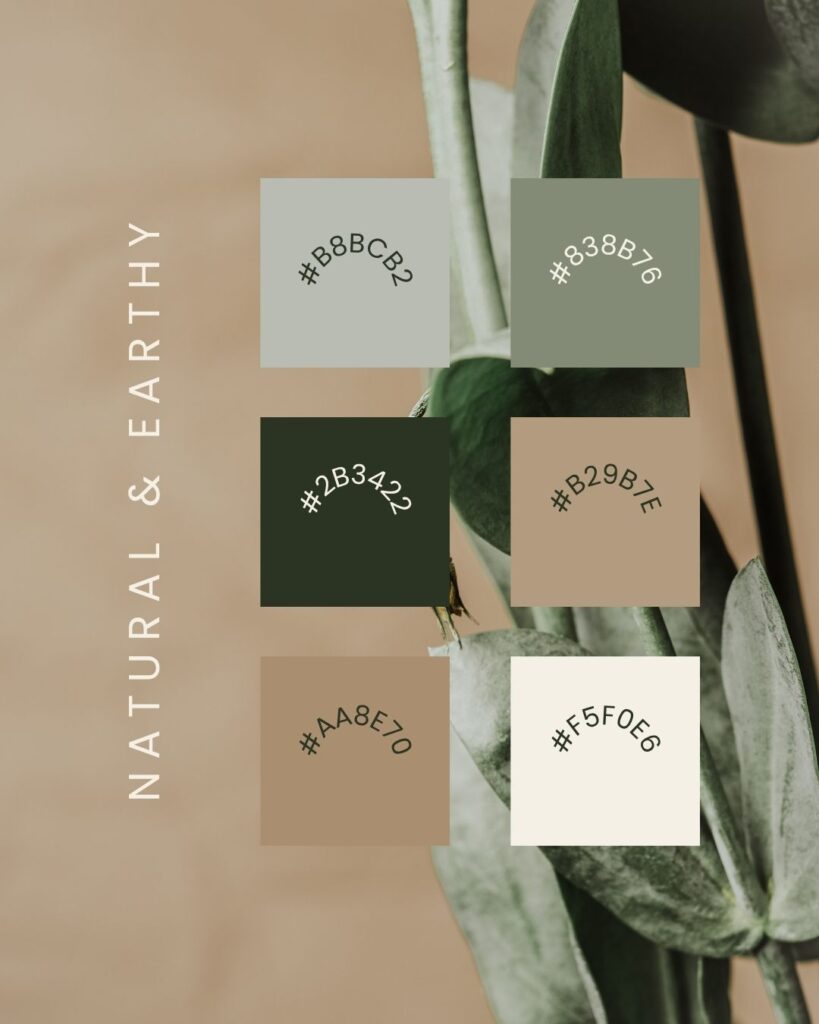
Creating Natural and Earthy Greens
Artists often aim for natural tones rather than bright, artificial ones. To get earthy greens, add a neutral color like:
- White – softens and lightens the green.
- Black – deepens the shade for forest or moss greens.
- Brown – gives a muted, natural look (perfect for landscapes).
These combinations are widely used in interior design trends in the USA, especially in minimalist and nature-inspired homes.
Psychology of Green Color
Green is known to have a calming and refreshing effect. It’s associated with:
- Nature and Renewal
- Balance and Harmony
- Wealth and Prosperity
That’s why many US brands, such as Starbucks and Whole Foods, use green in their logos — it promotes a sense of trust and natural well-being.
How to Use Green in Design and Decor
Here’s how you can make the most of green in your projects:
- In Graphic Design: Use green accents for eco-friendly themes or health-related brands.
- In Home Decor: Pair green walls with neutral furniture for a relaxing vibe.
- In Fashion: Mix green accessories with beige or black outfits for balance.
Common Mistakes When Mixing Green
Even pros make mistakes! Avoid these:
- Using muddy or impure blue/yellow pigments — they dull the color.
- Mixing complementary colors (like red with green) too much — it turns brown.
- Ignoring lighting conditions — green looks different under warm and cool lights.
Conclusion
So, what colors make green? It all comes down to blue and yellow, but your creativity determines the final shade. Whether you’re a painter, designer, or home decorator in the US, mastering green mixing will elevate your visual work.
From lime green’s energy to forest green’s elegance, every shade tells a story — and now, you know exactly how to create it.
FAQs
Q1. What two colors make green?
A: Blue and yellow are the two primary colors that make green.
Q2. How do you make light green paint?
A: Add more yellow or a bit of white to your green mix.
Q3. What colors make dark green?
A: Combine more blue or a small amount of black with your base green.
Q4. Can I make green without blue?
A: Not exactly. Blue is essential, but you can simulate a greenish tone by mixing yellow with cyan or turquoise if you’re digital designing.
Q5. What is the RGB code for green?
A: The standard green color code is RGB (0, 255, 0) or HEX #00FF00.